Table of Contents
ToggleBWRAF Buddy Check: The Ultimate Safety Checklist for Scuba Diving
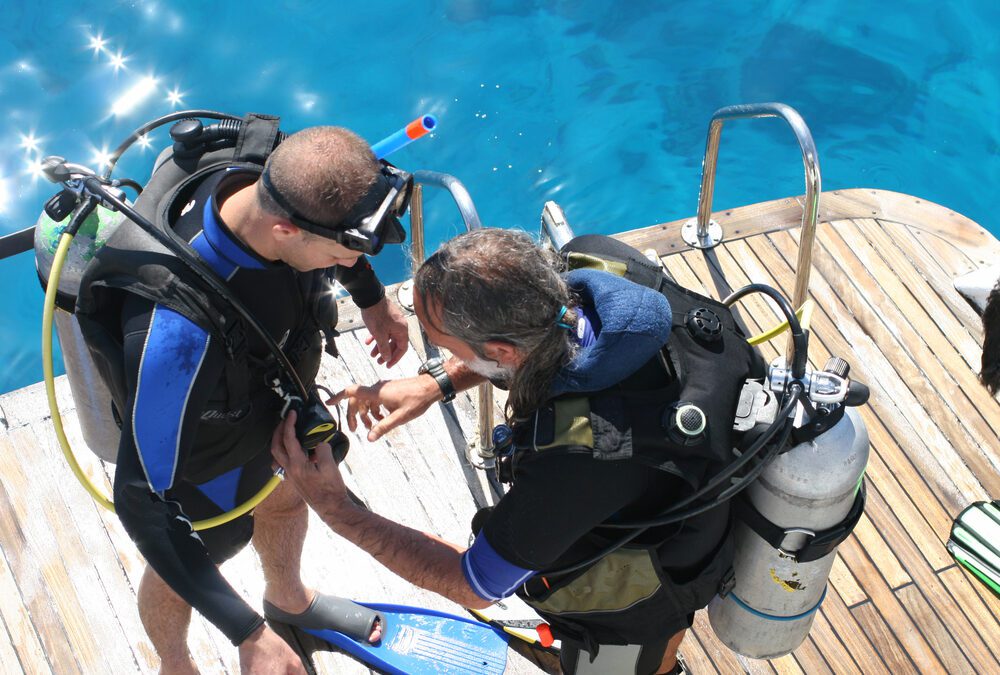
A BWRAF Buddy Check is a critical safety procedure in scuba diving where two divers (called “buddies”) check each other’s gear, equipment, and overall readiness before starting a dive. The purpose of a BWRAF Buddy Check is to ensure that both divers are fully prepared, that their equipment is functioning properly, and that they are aware of each other’s needs and any potential issues that could arise during the dive.
The BWRAF acronym is a helpful, standardized checklist used during a buddy check in scuba diving. It stands for BCD (Buoyancy Compensator), Weights, Releases, Air, and Final Check, and it serves as a step-by-step guide for divers to follow to ensure that all equipment is functioning properly before descending. Let’s break down each component of the BWRAF Buddy Check checklist in detail:

1. BCD (Buoyancy Compensator)
The Buoyancy Compensator Device (BCD) is a critical piece of scuba diving gear. It helps you maintain buoyancy at different depths during the dive by inflating or deflating, allowing you to float neutrally, rise, or sink.
Key Points to Check:
- Inflation Check: Both divers should inflate and deflate their BCs to ensure that they are functioning properly. You’ll want to confirm that the air bladder is holding air and that the inflator button and deflator valve work smoothly. This helps ensure you can control your buoyancy during the dive, which is vital for safety.
- Proper Fit: Make sure the BCD is comfortably fitted. It should not be too tight or too loose. Adjust straps and harnesses to ensure you can move freely but that the BCD is securely in place.
- Power Inflator: The BC’s power inflator hose should be securely attached and not showing signs of wear. Ensure the inflator is easy to reach while wearing the BC and that it inflates without resistance when you press the button.
2. Weights
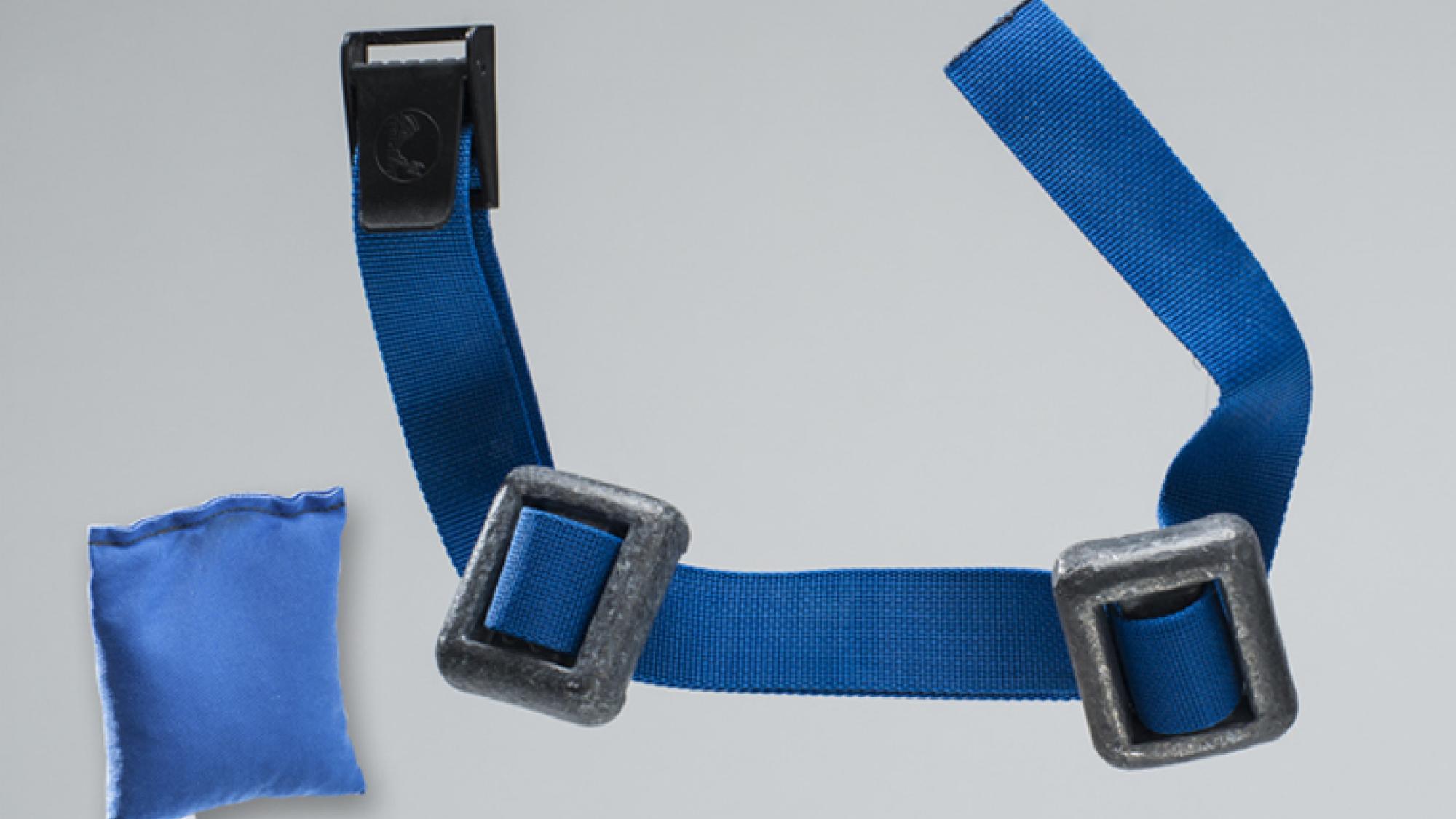
Weights are an essential part of scuba diving gear because they help you achieve neutral buoyancy. Proper weighting ensures you’re neither too buoyant (which makes it hard to descend) nor too heavy (which can make it difficult to ascend).
Key Points to Check:
- Weight Belt/Integrated Weights: Confirm that both divers’ weight systems are correctly set up. If you’re using a weight belt, check that the weights are securely fastened. If using integrated weights (part of the BCD), ensure they are properly placed in their pockets and locked in.
- Proper Weight Distribution: Ensure that the weights are evenly distributed, and the diver has enough weight to achieve neutral buoyancy at the dive site. Carrying too much weight can make the dive uncomfortable, while too little weight can make it difficult to control buoyancy.
- Quick Release: Ensure the weights are easily accessible for emergency removal. A malfunctioning or difficult-to-release weight system can be a serious hazard if you need to ditch weight quickly (e.g., if you’re coming up too fast or need to adjust buoyancy quickly).

3. Releases
This refers to the quick-release mechanisms of the diver’s weight system and other gear (e.g., BCD harness). Quick-release buckles and other releases need to be checked to ensure they’re functional in case you need to ditch gear in an emergency.
Key Points to Check:
- Weight Release System: Make sure the weight belt or integrated weight system has a functional quick-release feature. This is crucial for emergency situations, such as ascending too quickly or needing to lighten your load quickly.
- BCD Harness Release: Check that the quick-release on the BCD harness, including shoulder and waist straps, is functioning smoothly. In the event of an emergency, you may need to release the harness rapidly to remove your BCD.
- Other Release Mechanisms: Check any other safety releases, like drysuit valves or other systems that might be in use for the dive. Ensure they are accessible and functioning properly.
4. Air
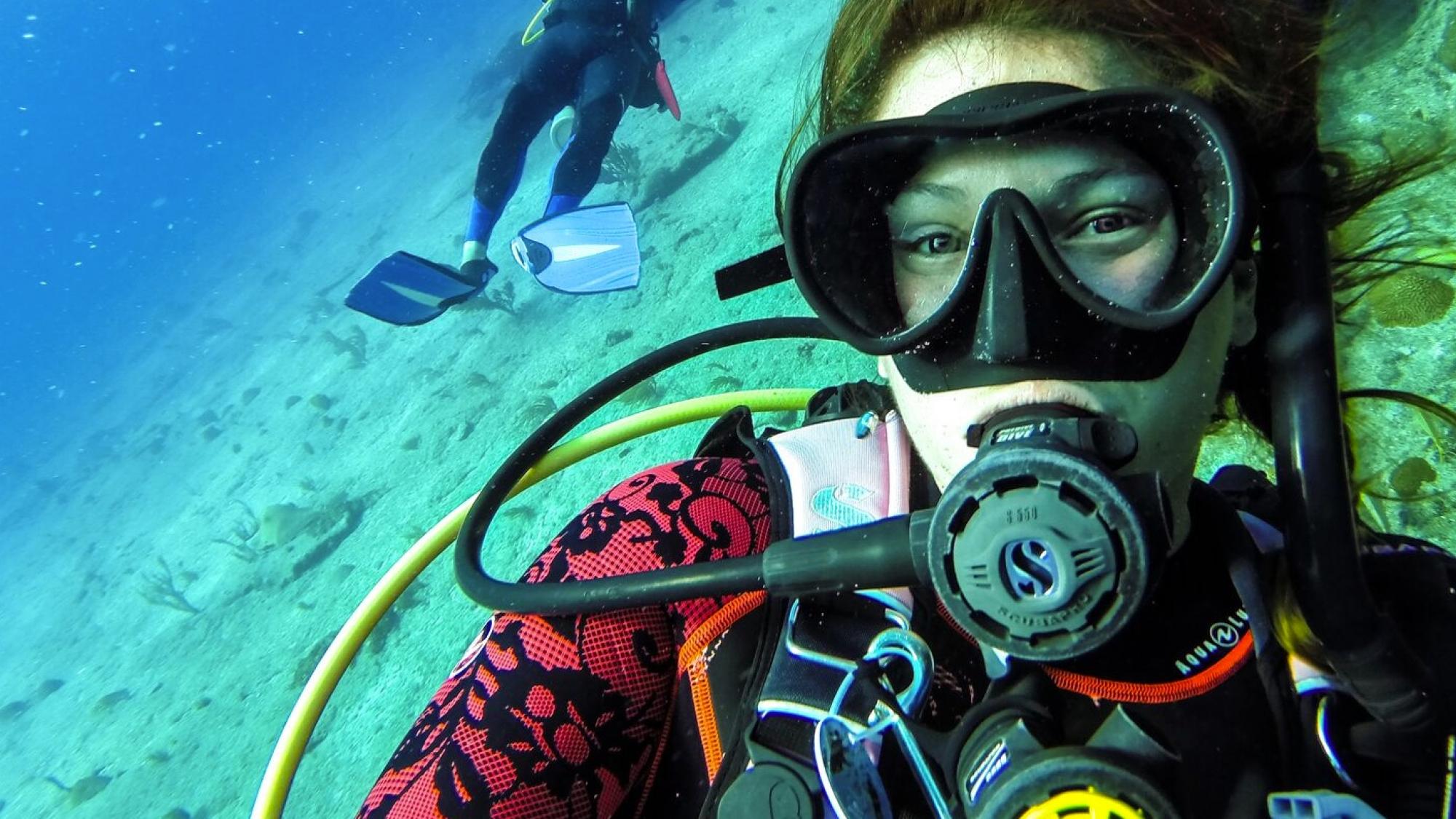
Checking your air supply is one of the most important aspects of the buddy check, as running out of air during a dive can be dangerous. This step involves confirming that both divers’ air systems are in good condition.
Key Points to Check:
- Tank Pressure: Ensure that the tank has sufficient air for the planned dive plus a reserve (typically, at least 500 psi should be left at the end of the dive). Check that the tank valve is fully open and that the regulator is properly connected to the tank.
- Regulator Check: Test the regulator by breathing through it to ensure it’s functioning correctly. Your buddy should watch for any leaks around the regulator or hoses. A good test is to breathe from the primary regulator while your buddy listens for any hissing or signs of malfunction.
- Alternate Air Source (Octopus): Ensure that the alternate air source (often called the “octopus”) is connected and functioning. You should check that it’s easy to find and reach if needed, and that it’s functioning properly if used in an emergency.
- Air Hoses: Inspect all hoses for cracks, leaks, or wear. If you find any damage, replace the hose before the dive.

5. Final Check
The Final Check is the last step in the BWRAF buddy check, which ensures that everything is properly configured and that both divers are mentally prepared for the dive. This is the time to confirm any remaining details and give the final thumbs up before entering the water.
Key Points to Check:
- Mask and Snorkel: Ensure that your mask is properly fitted and free from cracks. Clear the mask of any water or fogging if needed. If using a snorkel, check that it’s not obstructed and is easy to access.
- Fins and Gear Fit: Check that your fins are securely fastened and that any other accessories (like dive computers or dive knives) are in place and easily accessible. Ensure that everything fits properly, so there are no surprises once in the water.
- Hand Signals and Communication: Review any emergency hand signals and confirm that you understand each other’s dive plan. This includes discussing entry, exit, dive depth, and duration, as well as how to handle potential emergencies.
- The “OK” Signal: Confirm that both divers are comfortable, and give the “OK” signal to each other. This final confirmation lets both buddies know that all equipment is in working order and that they are both mentally and physically ready for the dive.
Why BWRAF Buddy Check Should Be Done Before Every Dive
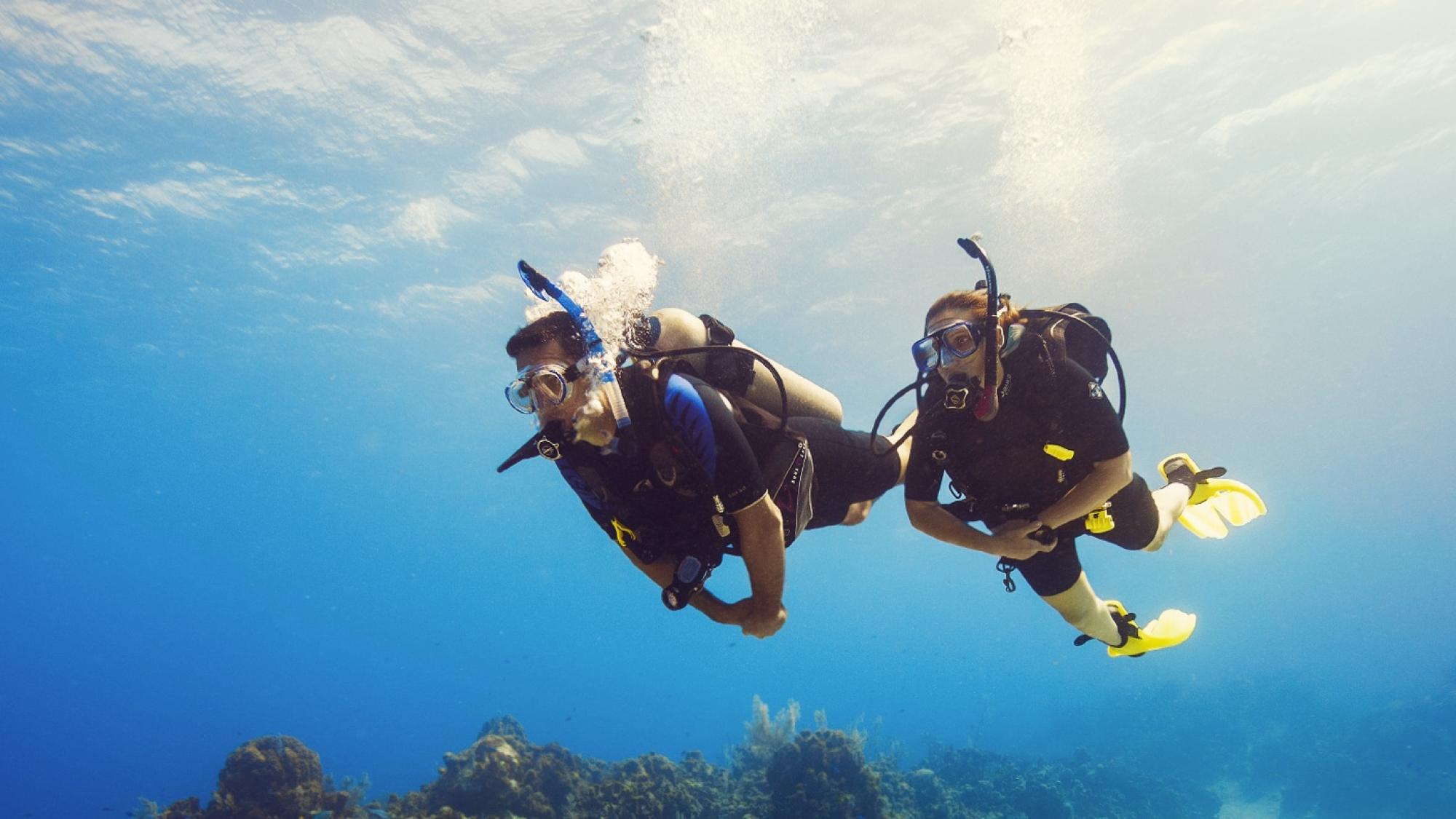
The BWRAF buddy check is a thorough and structured process that ensures both divers have made the necessary equipment checks to dive safely. It helps reduce the chances of equipment failure underwater, which can lead to dangerous situations, such as running out of air or becoming unable to control buoyancy.
- Preventing Equipment Malfunctions: Scuba diving involves complex equipment that needs to function properly at depth. BWRAF reduces the risk of malfunctions by ensuring that both divers check each other’s gear.
- Team Awareness: Since diving is a team activity, a buddy check ensures that both divers are aware of each other’s gear status. This helps them respond quickly if a problem arises during the dive.
- Boosts Confidence: The ritual of performing a buddy check builds confidence in your equipment, your buddy’s readiness, and your own safety. This mental preparation helps keep divers focused during the dive.
- Safety First: Ultimately, BWRAF Buddy Check ensures that divers have everything they need to dive safely, reducing the risk of accidents and increasing the chances of a successful, enjoyable dive.
Conclusion
The BWRAF buddy check is an essential safety procedure that every scuba diver should perform before each dive. By systematically reviewing the BCD, Weights, Releases, Air, and performing a Final Check, divers can ensure they are well-prepared for the underwater environment. Taking the time to do a proper buddy check reinforces safe diving practices and helps ensure both divers are ready for the challenges of the dive. It’s a simple, yet vital habit that can make all the difference in preventing potential problems while diving.